
Where should we begin?
Tell us what you know and we'll pick up from there.
Choose your starting point
Swipe →The Story
Tap to expandAlready know the basics?
Take the quiz and we'll match you to a peptide.
Where should we begin?
Tell us what you know and we'll pick up from there.
Choose your starting point
3 OptionsScroll down to continue manually
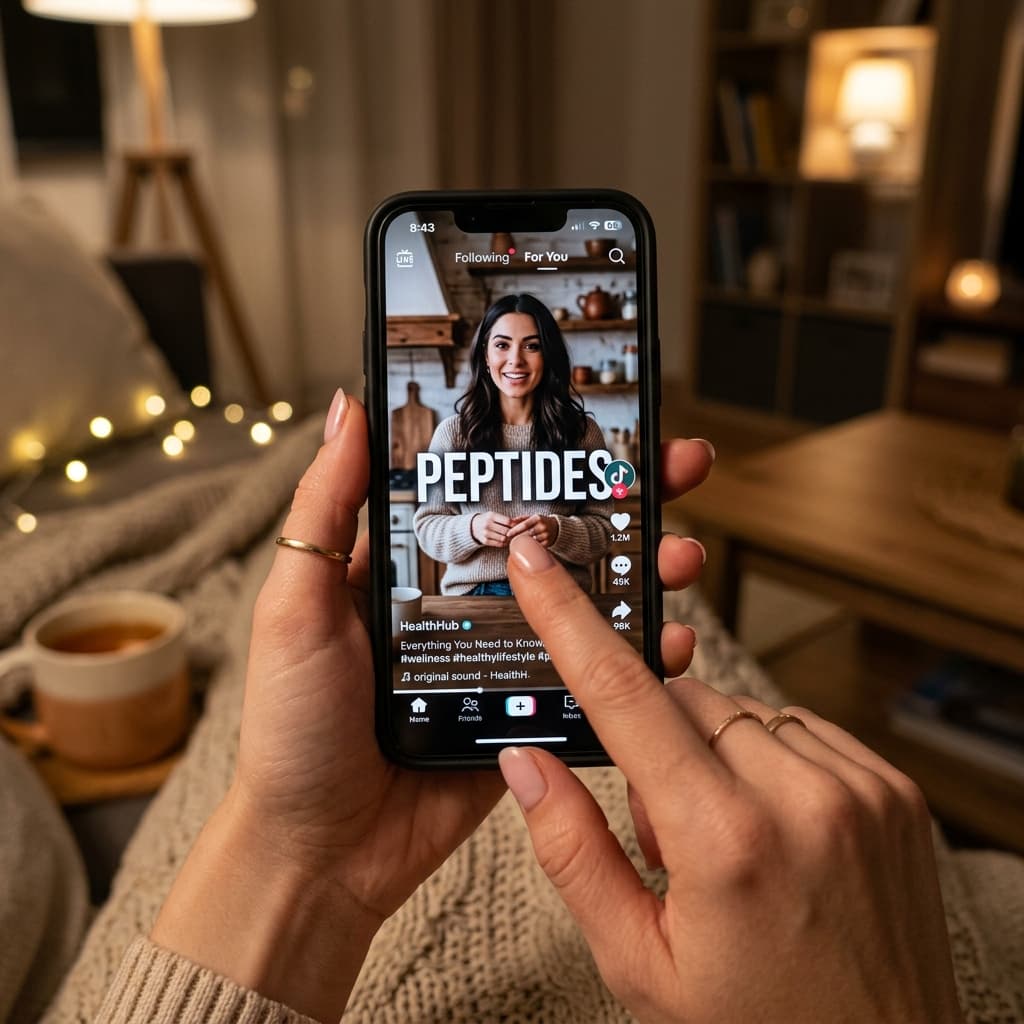
You've seen it on your feed. Here's what's actually going on.
Peptides are everywhere right now — TikTok, Instagram, podcasts, locker rooms. The reason is simple: in early 2026, the FDA reversed restrictions on 14 popular peptides, making them legal for doctors to prescribe again. A market that was underground for two years is re-emerging as legitimate healthcare. That's why everyone's suddenly paying attention.

Think of peptides as text messages between your cells.
Your body is made of trillions of cells, and those cells are constantly sending each other instructions — "heal this," "burn that," "build more of this." The messengers they use are called peptides. They're short chains of amino acids, and your body produces thousands of them every day. You've had peptides working inside you your entire life. You just never thought about them.
Same messages your body already sends — just amplified.
Peptide therapy doesn't introduce anything foreign. It takes specific peptides your body already uses — the ones that signal healing, fat metabolism, sleep, or cognitive function — and gives you more of them. Same signals, turned up. That's why peptide therapy works: your body already knows what to do with them.
The whole journey in 5 steps.
Each step has its own chapter below. Keep scrolling to go deeper.
- 1You talk to a licensed doctor. They listen to your goals and prescribe a peptide that research suggests may help.
- 2A compounding pharmacy fills your prescription. These are special pharmacies that prepare custom medications. Your peptide ships to your house.
- 3It arrives as a glass vial of white powder. That's how peptides stay stable during shipping.
- 4You mix the powder with a special water. Now you have a liquid peptide ready to use.
- 5You inject a small amount under your skin. Your doctor tells you how often. Most peptides are injected daily, every other day, or weekly.
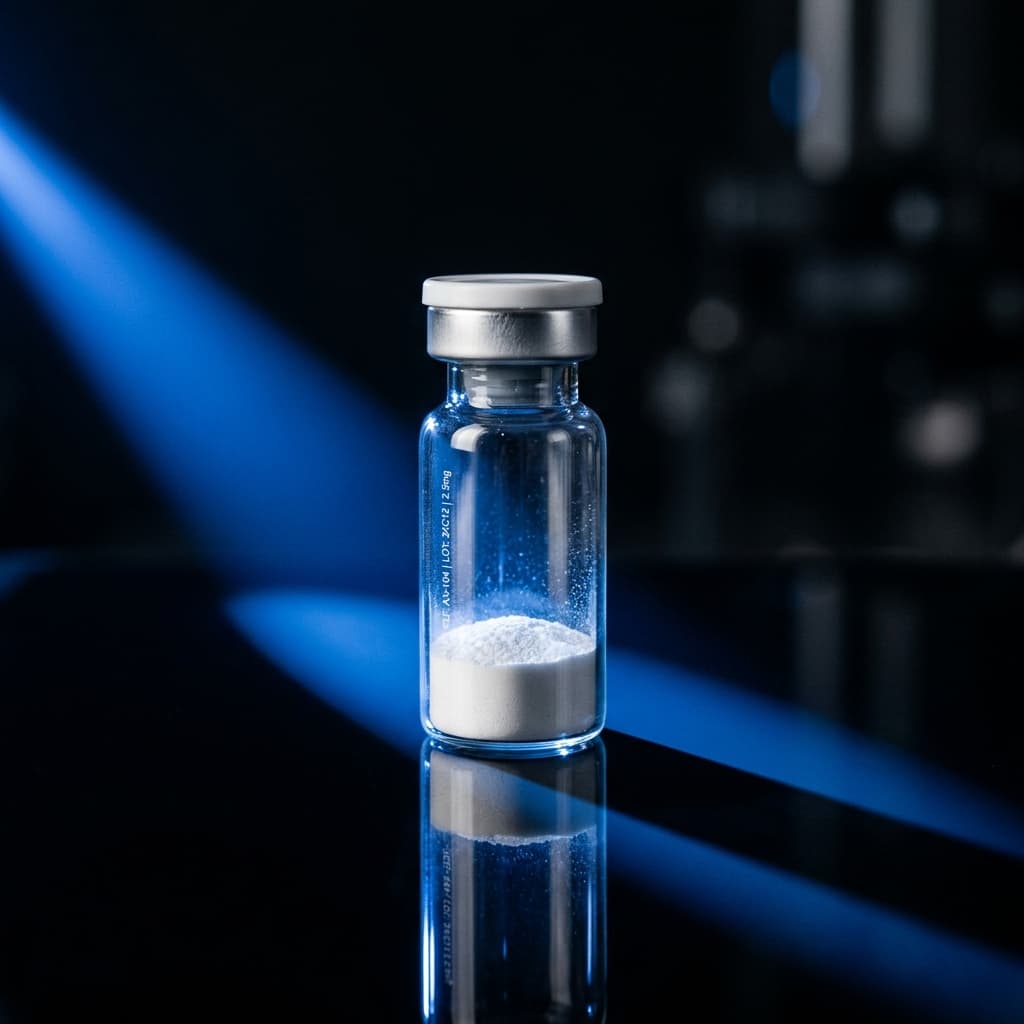
It's a small glass vial of powder. Yes, powder.
Most people are surprised their peptide isn't a liquid. Peptides are shipped as a fine white powder because powder stays stable for much longer than liquid. The vial is small — about the size of your thumb — with a rubber stopper on top that seals the powder inside. You don't use it as-is. You mix it with water first.
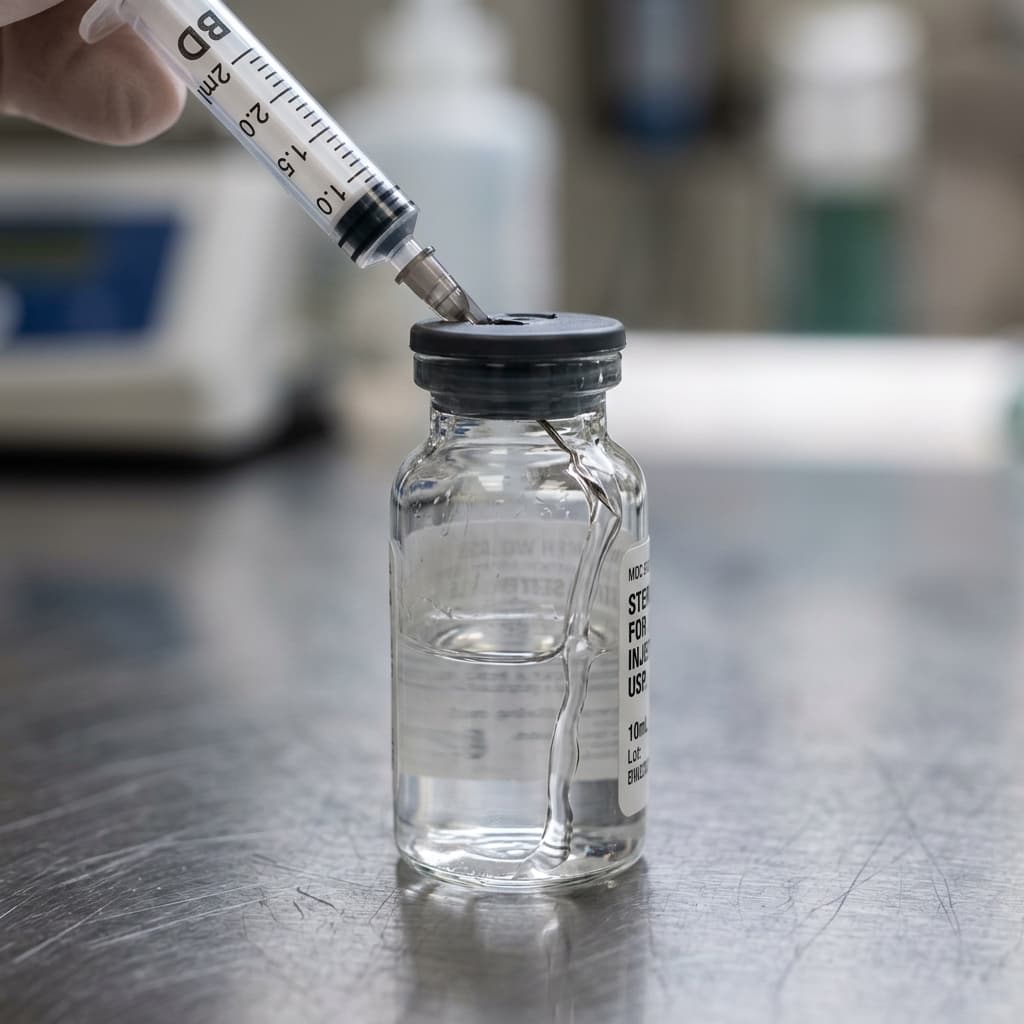
You add a special water, and the powder dissolves.
The water you use isn't regular water or even normal sterile water. It's called bacteriostatic water — sterile water with a tiny amount of preservative mixed in so bacteria can't grow in it. This matters because your mixed peptide stays in the fridge for weeks, and you don't want anything growing in it during that time. You use a small syringe to draw the water from its vial, inject it into the peptide vial, swirl gently, and the powder dissolves into a clear liquid. The vial now contains your ready-to-use peptide solution.
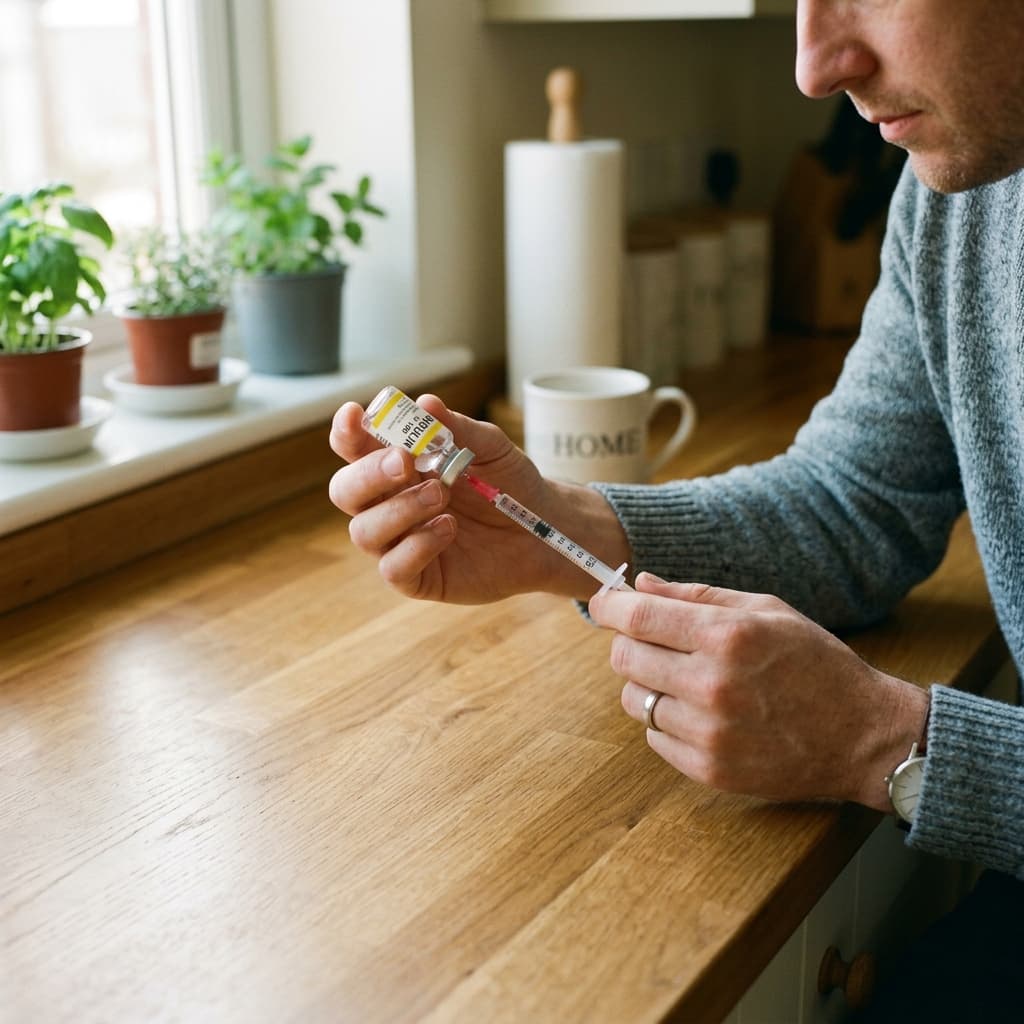
A small syringe, a small amount, under the skin.
Your daily dose is a tiny amount — usually measured in micrograms (mcg), not milligrams (mg). You use an insulin syringe, which is much smaller than a regular medical syringe. The needle is fine enough that most people barely feel it. You draw your specific dose, clean the injection site with an alcohol swab, and inject under the skin of your stomach, thigh, or upper arm. The whole process takes less than a minute.

Here are the main peptides people actually use.
There are many heavily-researched peptides with extremely specific functions.
BPC-157 & TB-500 — Recovery
Athletes and injury recovery patients use these for tendon, ligament, and muscle healing. Often combined, nicknamed "the Wolverine Stack."
Semaglutide & Tirzepatide — Weight
You know these as Ozempic and Mounjaro. They're peptides that control appetite and blood sugar. FDA-approved.
CJC-1295 & Ipamorelin — Sleep
These tell your pituitary gland to release more of your natural growth hormone during sleep.
GHK-Cu — Skin & Hair
A copper peptide your skin makes naturally, but less of as you age. Used for collagen, wound healing, and hair.
Semax & Selank — Focus & Calm
Russian research peptides used for cognitive performance, anxiety, and mood.
PT-141 — Libido
The only peptide specifically studied for sexual function. Works through brain pathways, not blood flow like Viagra.
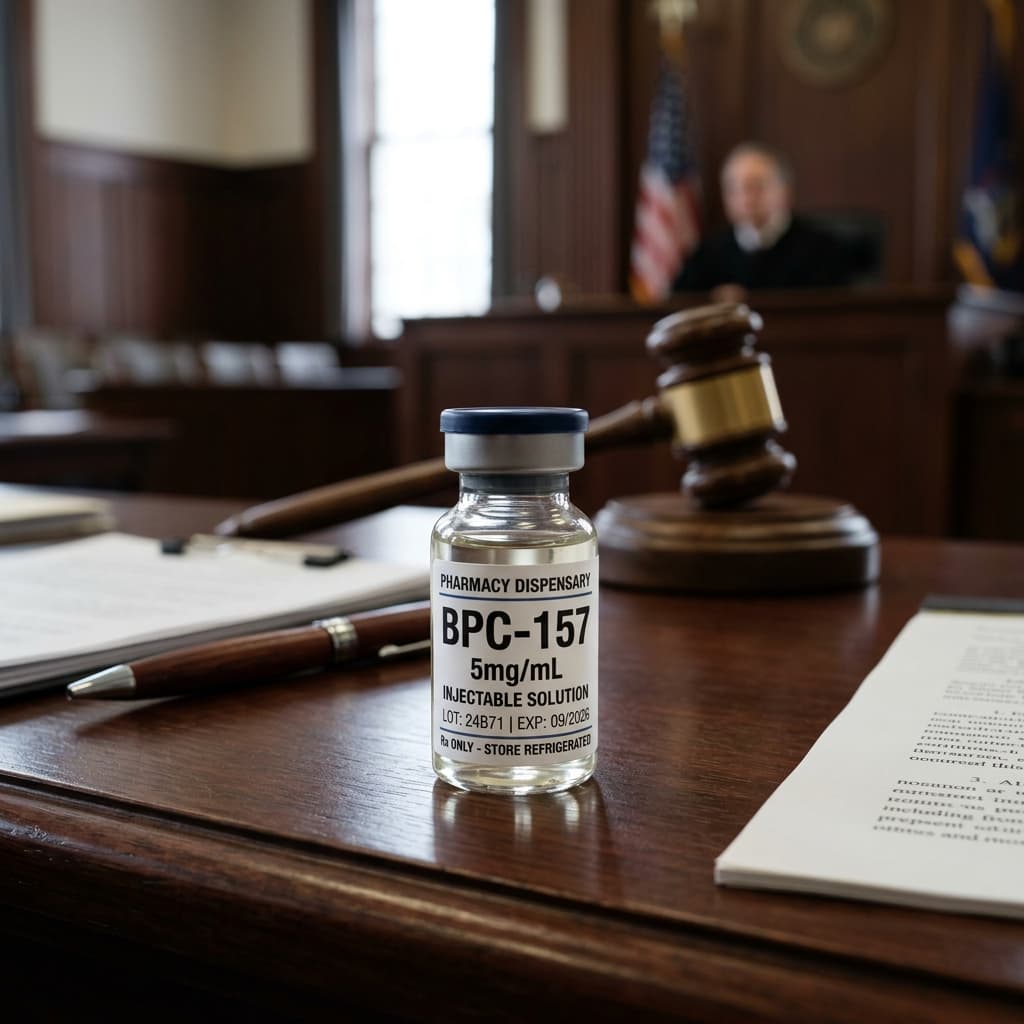
It wasn't for two years. Now it's coming back.
In 2023, the FDA moved 19 popular peptides to a restricted list, effectively banning compounding pharmacies from preparing them. A gray market emerged — websites selling peptides labeled 'research use only' — which lived in a legal gray zone. In February 2026, the government reversed course. Approximately 14 of those 19 peptides are returning to Category 1 status, meaning licensed doctors can prescribe them again and regulated pharmacies can prepare them. The legitimate path is back. This is why the conversation is exploding right now — everyone who was waiting for legal access is ready to start.
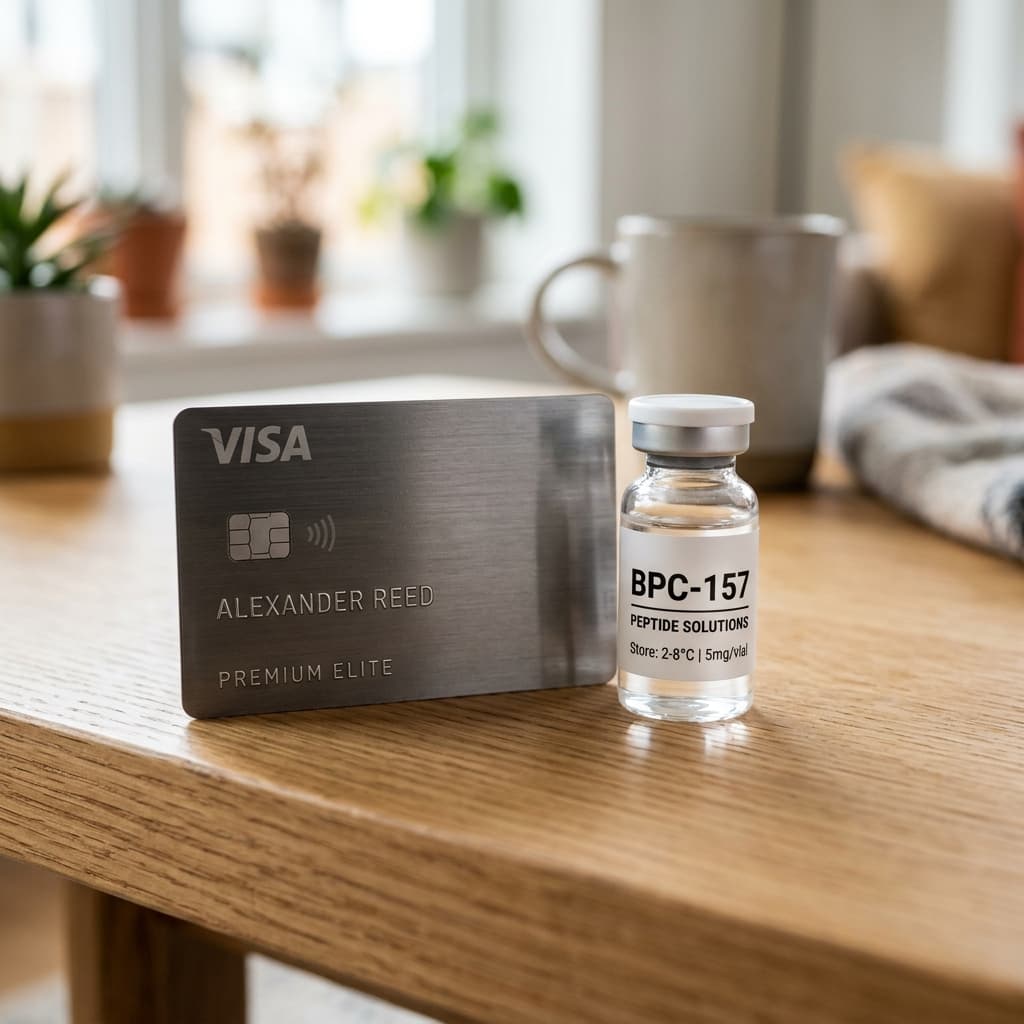
Budget around $300 to $800 per month, all in.
Peptide therapy usually isn't covered by insurance because most peptides aren't FDA-approved for specific conditions. Total monthly cost for most protocols lands somewhere between $300 and $800. Your provider will give you exact pricing during your consultation. Here's the breakdown of what you'll pay:

Two next steps, depending on where you are.
The honest truth: the first step is finding a licensed provider. You can't safely shortcut this. Peptides work best when prescribed by someone who understands your health, your goals, and what compound makes sense for your situation.
Join the Waitlist
We'll match you with a licensed peptide therapy provider in your state as soon as one is available.